


Page 2 - hypertension_newsletter (5)
P. 2
REFLECTIONS                                                                                                                                                                    rtensio n
Hypertension Global Newsletter #2                                                                                                                                          Hype
                                                                                                                                                                           Hypen oisnetr
This update considers new evidence, including a recent
statement by the American Heart Association, as well as              New Indications for the Clinical Application of HBPM
technological developments which have occurred in the past 20
years. Key differences from the previous position statements       • Re-definition of diagnostic thresholds for hypertension:
published in 2008–2010 include information on the devices           HBP at least 135/85 mmHg corresponds to at least 140/90
themselves (e.g., cuff size, cuffless devices, validated, and       mmHg clinic BP in ESC-ESH guidelines), whereas HBP
preferred devices, clinical validation protocols), monitoring       at least 130/80 mmHg may correspond to at least 130/80
schedule and interpretation, diagnostic thresholds, therapeutic     mmHg clinic BP threshold for grade I hypertension in ACC/
targets, specific patient populations (e.g., children, pregnancy,   AHA guidelines
CKD on dialysis, and arrhythmias), nocturnal HPBM and home
BP variability.                                                    • Therapeutic targets: Systolic HBP between 125–130
                                                                    mmHg and diastolic HBP less than 80 mmHg are now
HBPM has several potential advantages over both OBP and             considered reasonable goals. Such targets do not apply in
ABPM, including user convenience and acceptance, and the            the very elderly where higher systolic HBP values might be
ability to obtain multiple measurements over several days,          considered for SBP
weeks, or months.
                                                                   • Recent technologies have now made nocturnal HBPM
                                                                    feasible. Studies are needed to explore where nocturnal
                                                                    HBPM can improve the prognostic stratification of patients
                                                                    with hypertension

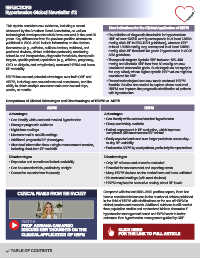
Comparison of Clinical Advantages and Disadvantages of HBPM vs. ABPM

ABPM                                                                  HBPM

Advantages                                                         Advantages
• Can identify white-coat and masked hypertension                  • Can identify white-coat and masked hypertension
• Stronger prognostic evidence
• Night-time readings                                              • Cheap and widely available
• Measurement in real-life settings
• Additional prognostic BP phenotypes                              • Patient engagement in BP evaluation, which improves
• Abundant information from a single measurement session,           compliance with treatment and BP control

 including short-term BP variabilit                                • Easily repeated and used over longer periods to assess day-
                                                                    to-day BP variability

                                                                   • Preferred to ABPM by most patients, particularly for repeated use

Disadvantages                                                      Disadvantages
• Expensive and sometimes limited availability                     • Only BP at home and at rest is evaluated
• Can be uncomfortable, particularly at night                      • Potential for measurement and reporting errors
• Cannot be repeated too frequently                                • Many HBPM devices on the market have not been validated
                                                                   • No nocturnal readings (with most devices)
                                                                   • HBPM may lead to excessive anxiety about BP levels

CLINICAL PEARLS FROM THE FACULTY                                   Compared with the last 2008–2010 position papers, there has
   WATCH                                                           been a considerable increase in the number of articles published
   PROF. ADRIANA CAMARGO                                           in the field of HBPM with clarifications on the use of HBPM in
   DISCUSS HER THOUGHTS ON THE                                     clinical practice and research. Additional evidence is still needed
   CLINICAL APPLICATION OF HBPM                                    from population studies and randomized trials to determine if
                                                                   hypertension management based on HBPM leads to better
                                                                   outcomes than hypertension management guided by OBP.

                                                                              CLICK HERE
                                                                              FOR THE LINK TO FULL ARTICLE

TABLE OF CONTENTS

